
This report examines the structural rise of speculative behavior across modern society and financial markets: how declining friction, changing economic incentives, and digital systems moved activities once confined to casinos and trading desks into everyday life, and how increasingly reflexive, narrative-driven flows may influence society, markets, volatility, liquidity, and modern market microstructure dynamics.
Over the past decade, particularly in the post-COVID economic regime, speculation has moved from a niche activity concentrated within casinos and financial institutions into a normalized component of everyday life. The ability to trade, gamble, leverage, and speculate on nearly any event or asset class now exists within frictionless digital systems accessible to billions of people globally.
It explores how technological infrastructure, mobile financial applications, social media, legalized sports betting, prediction markets, and twenty-four-hour digital markets contributed to the normalization of speculation as both a cultural behavior and economic activity. Particular attention is given to the collapse of friction around participation, as activities that once required physical presence, institutional access, or significant financial capital can now be executed instantly through a smartphone.
The report also compares the current speculative environment with prior historical periods to understand how society arrived here. It examines how the gradual financialization and democratization of finance transformed market participation from a specialized activity into a mainstream social phenomenon embedded in entertainment, identity, and online culture. Modern gambling and brokerage platforms often describe this transition as expanding access and participation, but the resulting systems increasingly blur the lines between investing, entertainment, and wagering.
It also considers the broader economic backdrop that has encouraged speculative participation among consumers. Following years of asset inflation, rising housing costs, tuition inflation, weak wage progression relative to financial assets, and increasingly K-shaped economic outcomes, speculative behavior has become economically and psychologically attractive to many participants seeking asymmetric upside within systems where traditional upward mobility feels increasingly constrained.
This report does not seek to moralize speculation itself. It seeks to understand why speculative behavior has become increasingly embedded in modern economic and social life.
The Collapse of Friction
The rise of modern speculative culture cannot be understood without recognizing how dramatically the friction around financial participation has collapsed over the past several decades. Only a generation ago, both investing and gambling required meaningful effort, institutional access, physical presence, and financial capital. Participation carried operational barriers that naturally confined speculative behavior to a relatively narrow segment of society.
In the 1970s and 1980s, participating in financial markets largely required direct interaction with brokers, while commissions remained expensive and information traveled slowly. Real-time charts, instant execution, twenty-four-hour markets, and leveraged financial products were inaccessible to most ordinary individuals. Trading was operationally cumbersome and often viewed as something reserved for professionals, institutions, or wealthy investors.
The same was true for gambling. Sports betting was geographically constrained and frequently illegal across much of the United States. Casinos existed as isolated physical destinations rather than persistent digital ecosystems integrated into daily life. Participation required deliberate effort: a person needed to travel to a sportsbook or casino to engage in speculative behavior.
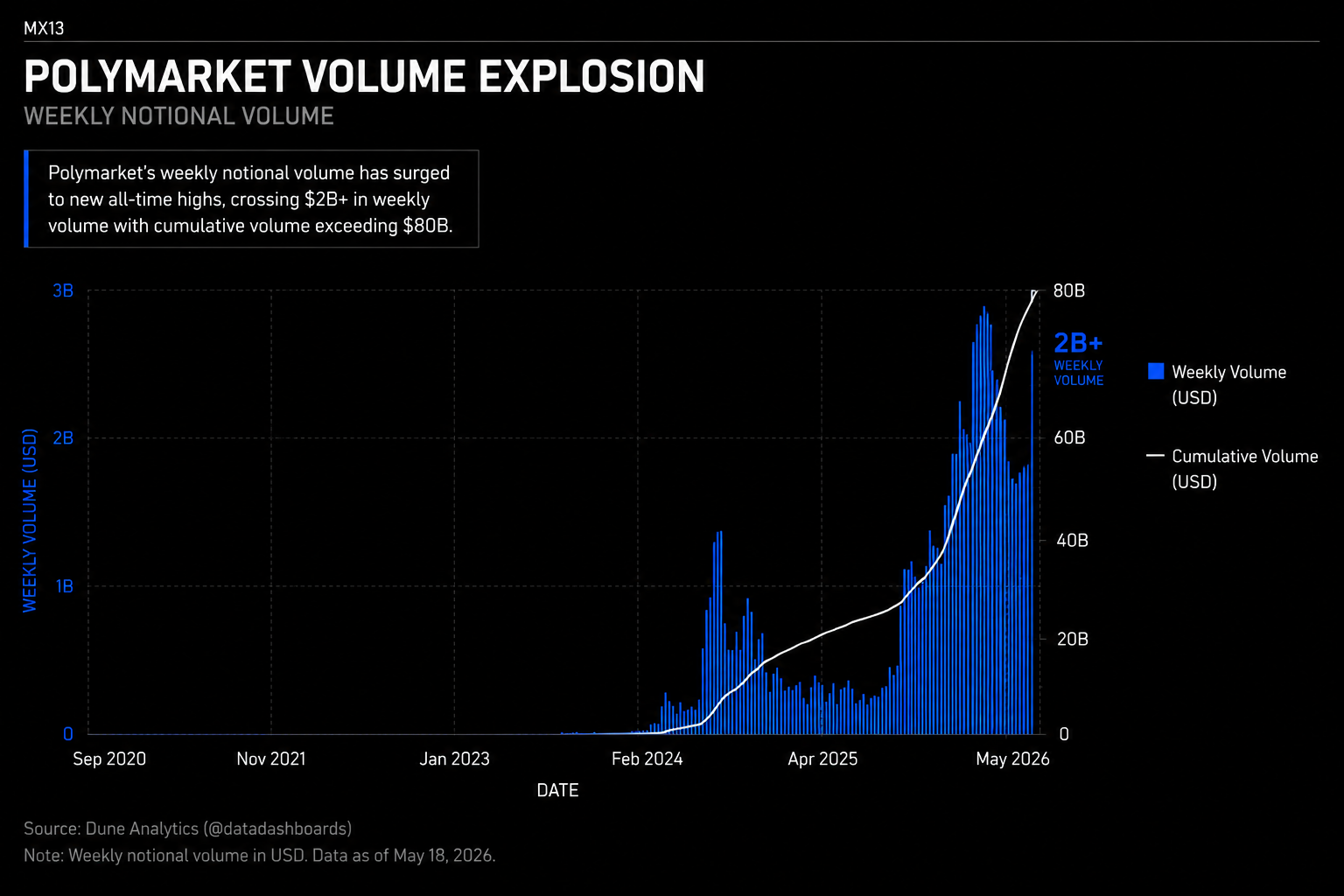
Today, nearly all of those constraints have disappeared at once. A smartphone now provides immediate access to leveraged options trading, perpetual crypto futures, prediction markets, sports betting, memecoin speculation, and twenty-four-hour global financial markets. A user can purchase weekly call options on a semiconductor company, rotate into a memecoin launched six hours ago, place a same-game parlay during halftime, or trade whether Trump and Xi Jinping will kiss during their summit meeting.
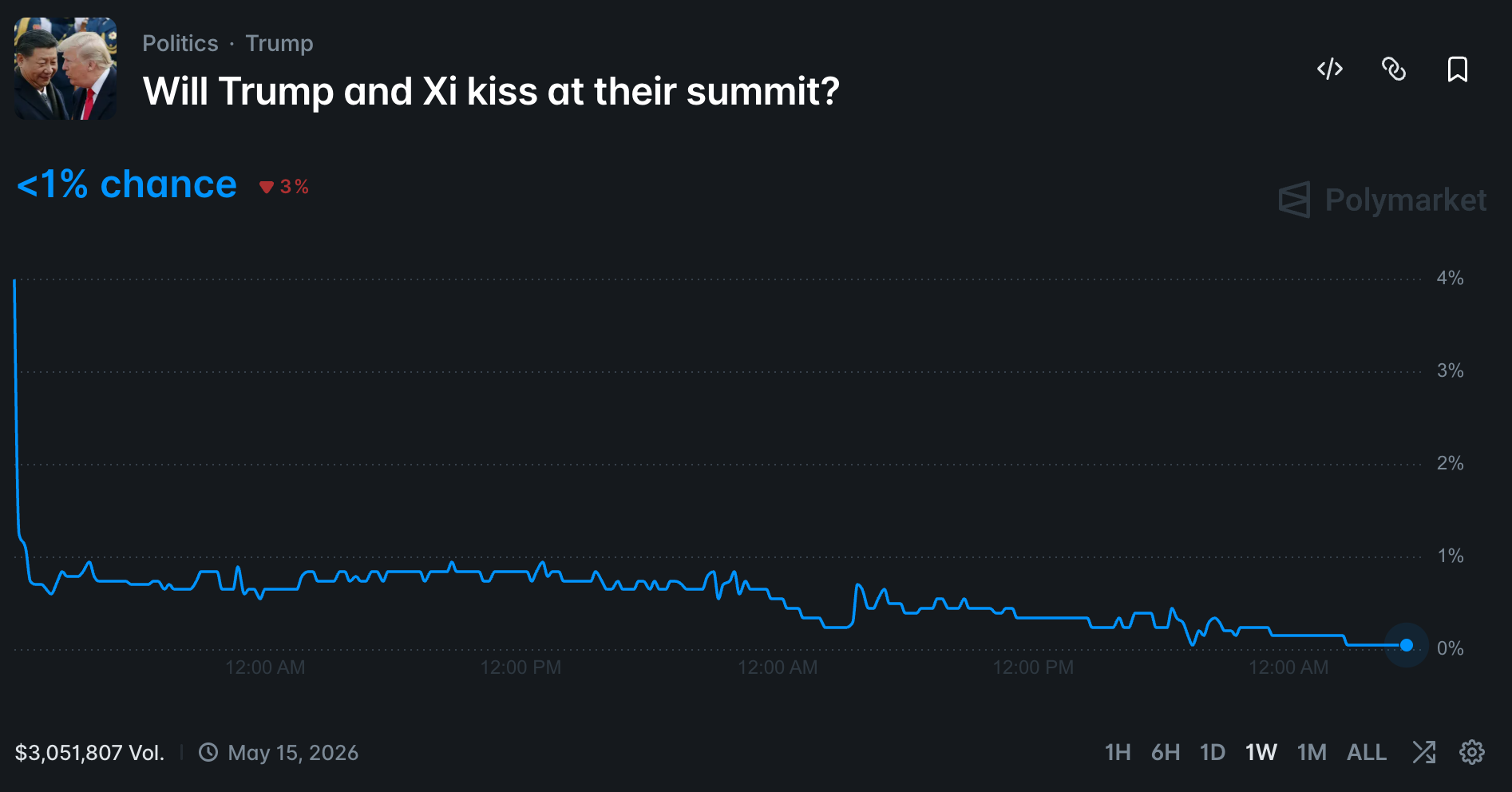
The friction around speculation has collapsed toward zero. That change extends beyond accessibility alone. Modern speculative platforms increasingly optimize for engagement itself. Robinhood famously introduced gamified design structures including confetti animations, dopamine-driven notifications, simplified interfaces, instant deposits, and swipe-based trading mechanics designed to reduce psychological hesitation around participation. Trading increasingly began resembling entertainment rather than traditional financial decision-making.
The broader convergence between finance and wagering continues accelerating. Interactive Brokers now offers prediction markets directly within brokerage infrastructure, while multiple major financial platforms increasingly integrate event contracts and sports-related speculative products into traditional investment interfaces. The separation between long-term investing and short-term wagering continues to weaken operationally, psychologically, and culturally.
An individual can now access their retirement account, buy leveraged technology exposure, and place a wager on an NBA game from the same application within minutes.
The internet effectively merged finance, gambling, entertainment, and social media into a single behavioral environment. Speculation no longer exists as an isolated activity detached from ordinary life; it has become ambient, persistent, and socially integrated into the structure of everyday digital behavior.
Ownership Outperformed Labor
While the collapse of friction explains how speculative participation became possible at mass scale, it does not fully explain why speculation became so culturally attractive. The broader macroeconomic backdrop following the Global Financial Crisis and post-COVID asset cycle played a critical role in shaping the incentives behind modern speculative behavior.
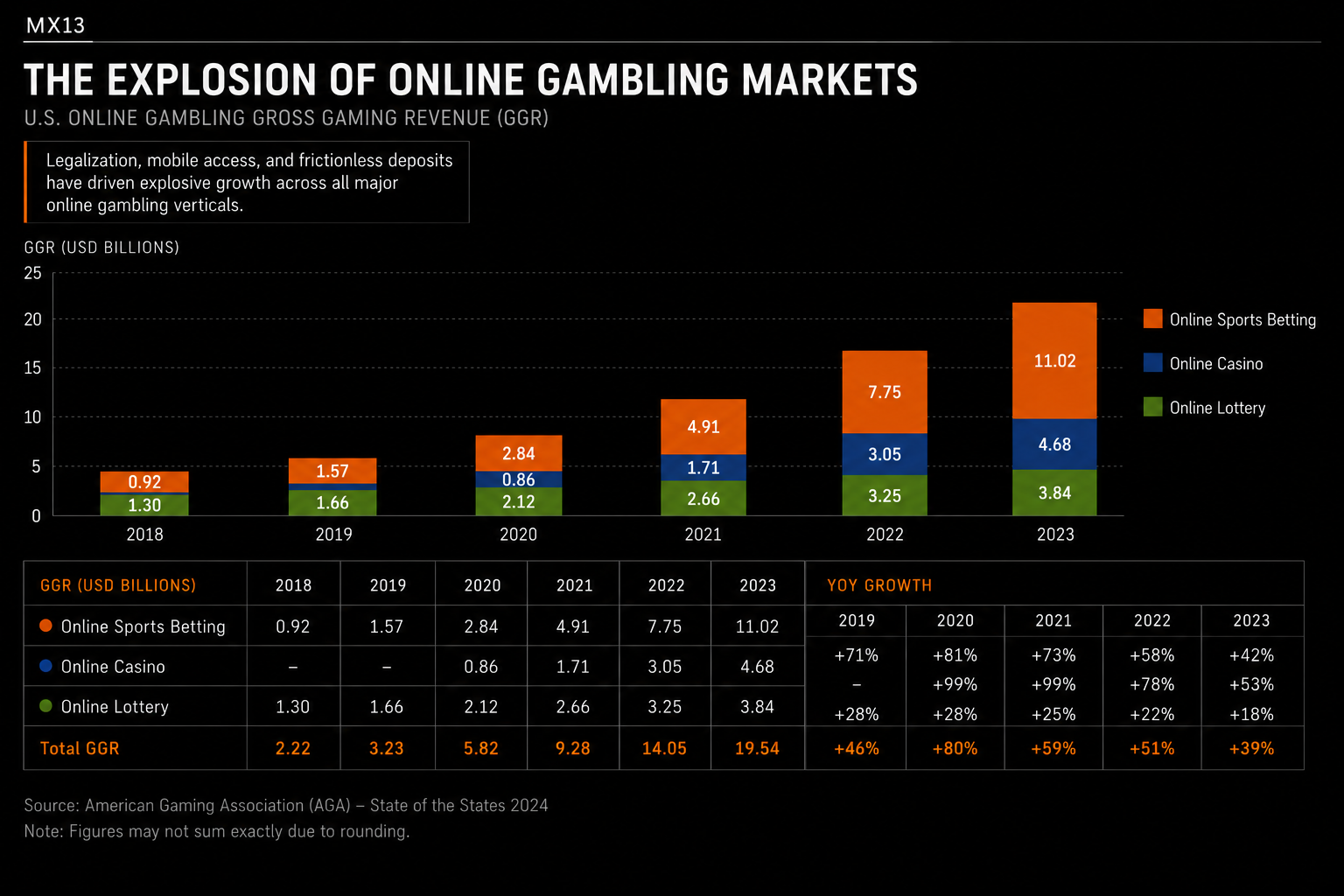
Over the past several decades, financial assets dramatically outperformed wage growth across much of the developed world. Equities appreciated substantially, housing prices surged, and ownership of financial assets increasingly became the dominant mechanism through which wealth compounded. At the same time, younger generations faced rising housing costs, tuition inflation, elevated debt burdens, credential inflation, and declining confidence in traditional paths toward upward mobility.
Ownership increasingly outperformed labor.
Societies often become more speculative when financial assets compound materially faster than wages and productivity. The modern economic system increasingly rewards ownership rather than income generation alone. Individuals who owned homes, equities, businesses, and financial assets during the long-duration asset inflation cycle experienced enormous wealth appreciation. Younger generations entering adulthood later in this cycle inherited inflated asset prices, weaker purchasing power, and significantly higher barriers to ownership.
The divergence between generations is increasingly measurable across nearly every major economic category, including home ownership rates, debt burdens, wage purchasing power, and asset ownership concentration. A generation ago, a single-income household could often support home ownership, education costs, and family formation with materially lower debt burdens. Today, many younger workers graduate into expensive labor markets where housing affordability has deteriorated significantly, wages frequently lag major living expenses, and economic advancement increasingly feels dependent on financial asset exposure rather than labor progression alone.
Nor is this dynamic simply accidental. Older generations collectively own the majority of financial and real estate assets across developed economies, meaning political and monetary systems increasingly become incentivized to preserve asset values and delay deleveraging events. Policy responses following both the Global Financial Crisis and COVID largely reinforced this structure through aggressive monetary intervention, liquidity expansion, and financial asset support mechanisms.
The result is an economy in which younger participants increasingly observe that traditional progression compounds slowly while financial speculation offers the possibility of nonlinear upside.
Under these conditions, speculative behavior increasingly becomes economically rational from the perspective of many participants. If housing feels unattainable, wages lag living costs, education creates large debt burdens, and traditional career progression appears structurally weaker than prior generations, then participation in highly speculative environments naturally becomes more attractive psychologically.
This helps explain why younger generations increasingly gravitated toward memecoins, leveraged options, sports betting, prediction markets, perpetual futures, and highly speculative technology narratives. The hypergambling economy is driven by incentives as well as culture.
Modern information systems continuously reinforce this behavior socially. Social feeds display screenshots of overnight gains, viral trading success stories, and narratives surrounding individuals generating wealth through speculative positioning. At the same time, the visible costs of traditional milestones such as home ownership, education, and financial independence continue rising.
The result is a powerful psychological divergence: traditional economic progression increasingly feels constrained, while asymmetric speculative upside appears normalized, socially reinforced, and increasingly necessary to achieve meaningful financial mobility.
The Infinite Casino
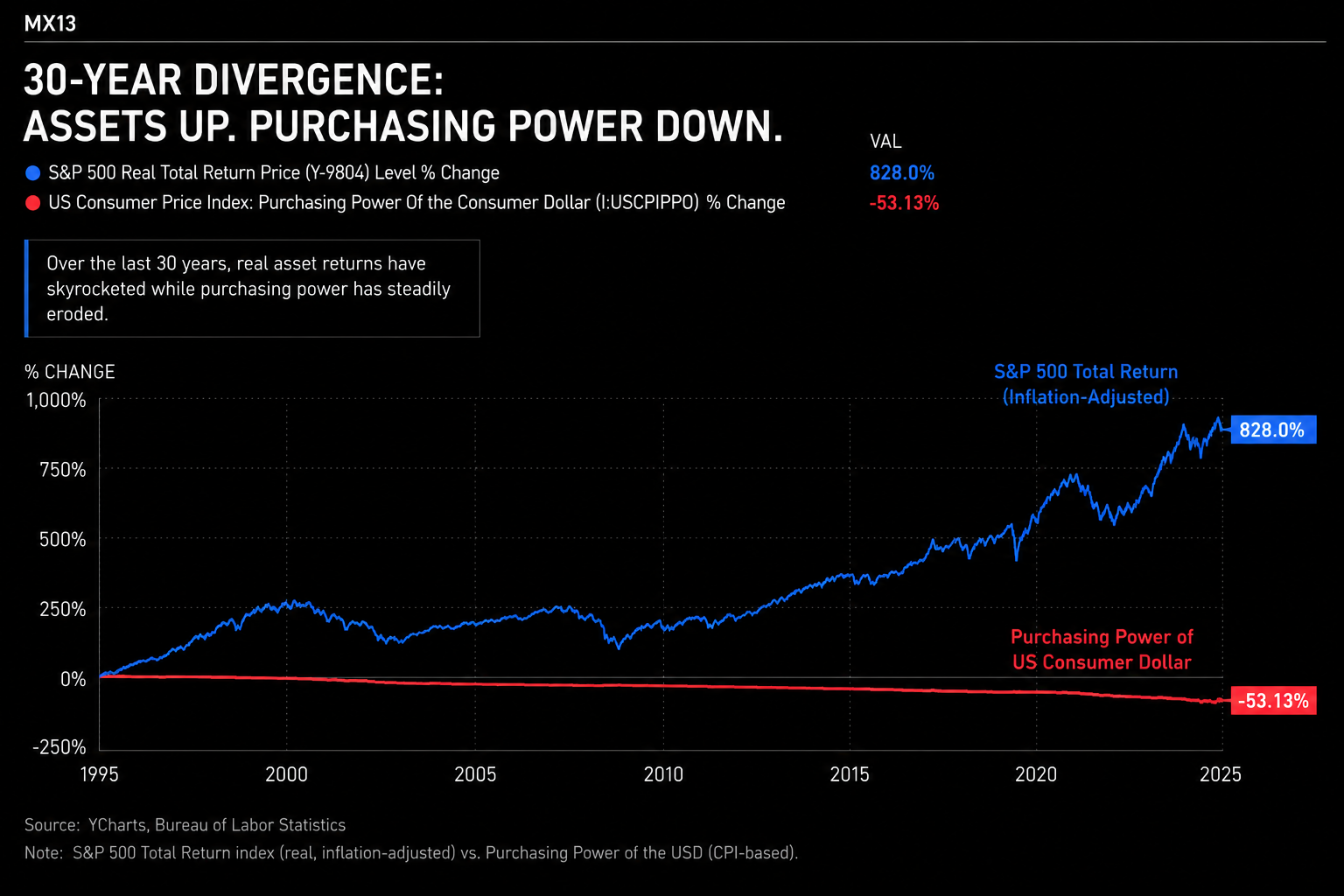
The combined effects of collapsing friction, generational economic divergence, and digitally integrated financial infrastructure have created what increasingly resembles a continuous global speculative environment operating twenty-four hours per day across interconnected platforms.
Modern speculation no longer exists exclusively inside Las Vegas casinos or institutional trading floors. It operates simultaneously across sportsbooks, brokerages, crypto exchanges, prediction markets, livestreams, social feeds, podcasts, and online communities at global scale. Participation increasingly feels less like entering a specialized financial environment and more like interacting with ordinary internet culture.
At the same time, narrative propagation has accelerated dramatically. Information now moves through decentralized online systems where positioning, sentiment, and collective attention reinforce themselves through viral feedback loops. In many areas of the market, narrative velocity increasingly matters alongside traditional fundamentals as flows rotate rapidly between sectors, themes, and speculative opportunities.
Retail speculation increasingly concentrates in highly narrative-driven areas of the market rather than traditional macroeconomic instruments. Retail participants generally do not trade interest rate swaps or meaningfully influence sovereign bond markets. They trade quantum computing small caps discovered on Twitter, space companies promoted through YouTube videos, Korean semiconductor suppliers circulating through TikTok clips, memecoins trending across Telegram, and leveraged options attached to the most emotionally charged sectors of the market cycle.
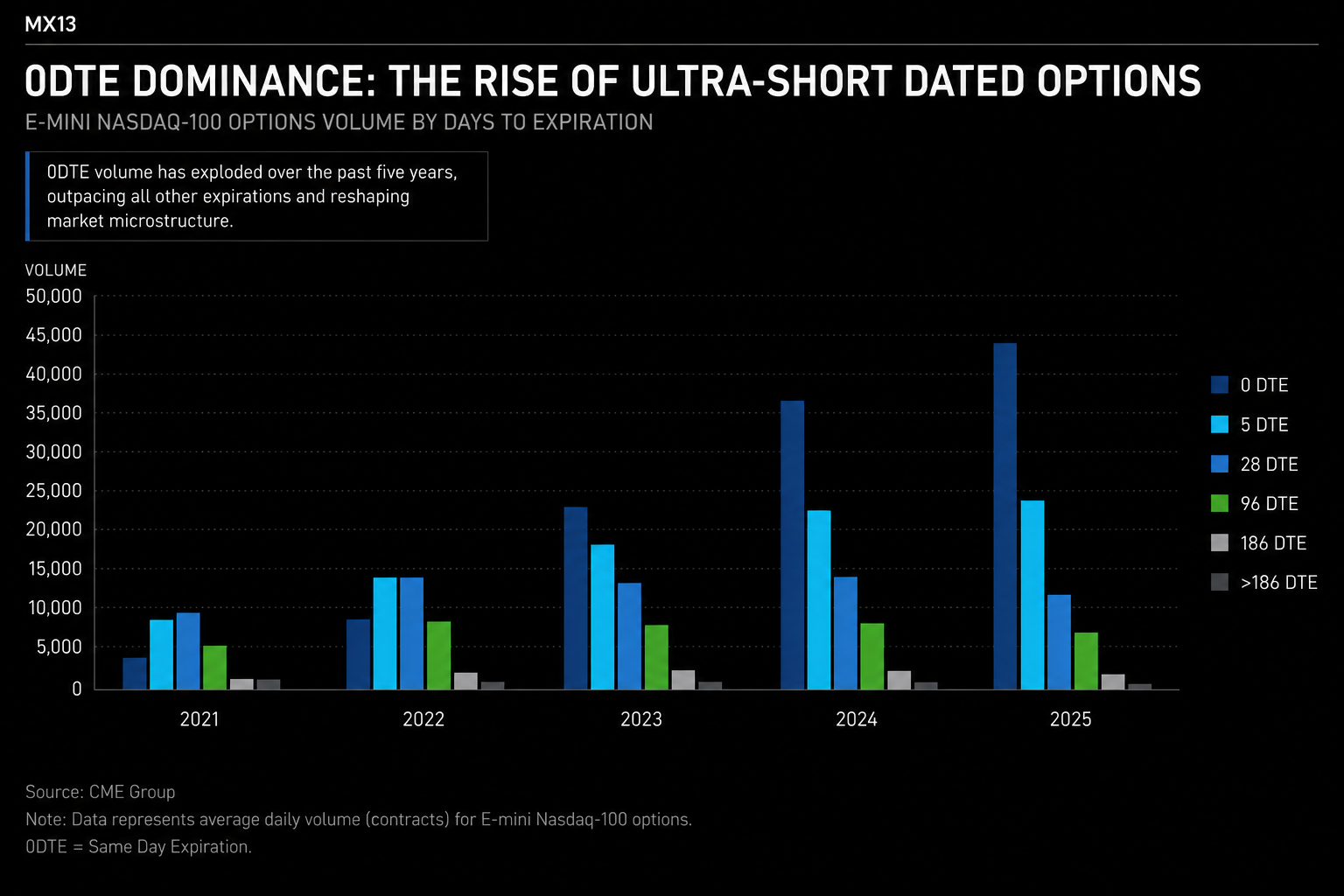
When flows concentrate in highly reflexive and speculative areas of the market, they can create trading behavior that differs sharply from institutionally dominated markets. Volatility expansions, momentum clustering, reflexive positioning, and narrative-driven liquidity increasingly emerge as defining characteristics of many modern speculative environments, particularly within options markets, crypto ecosystems, and retail-driven equity sectors.
This report does not argue that speculation itself is inherently irrational or destructive. Speculative behavior has existed throughout financial history and remains deeply connected to innovation, risk-taking, liquidity formation, and capital allocation. The scale, accessibility, social integration, and behavioral optimization of speculation within modern digital systems, however, represent a historically unique environment.
Understanding modern markets increasingly requires understanding this broader societal transformation. The rise of the hypergambling economy reflects more than the growth of gambling applications or retail trading platforms alone. It reflects a structural shift in how modern society interacts with risk, financial aspiration, participation, and opportunity.
Conclusion
The modern speculative environment emerged through the convergence of several structural forces: collapsing technological friction, expanding financial access, rising asset inflation, shifting social norms, and increasingly digital forms of identity and participation. Together, these dynamics transformed speculation from a specialized activity concentrated within isolated environments into a normalized component of everyday life.
The hypergambling economy is not simply the product of gambling applications, memecoins, or social media trends in isolation. It reflects a broader societal transition in which financial participation, entertainment, online culture, and speculative behavior increasingly operate within the same systems optimized for engagement and continuous interaction.
This transition did not emerge in a vacuum. It developed during a period in which ownership increasingly outperformed labor, younger generations faced rising barriers to traditional wealth accumulation, and financial speculation increasingly appeared to offer one of the few remaining paths toward asymmetric economic mobility. Under such conditions, speculative behavior becomes understandable as both entertainment and an adaptation to the surrounding economic structure.
Speculative flows increasingly influence consumer behavior, broader market dynamics, narrative formation, liquidity conditions, and modern volatility structures. Markets themselves are becoming faster-moving, more reflexive, and increasingly shaped by collective attention operating through globally connected digital systems.